

Attic Insulation Castle Rock, CO | Level Up Insulation
Expert attic Insulation services for Castle Rock homeowners — free estimates, Xcel-rebate eligible
- Powered by Wisetack
- No Hard Credit Check to Apply
- Decisions in Seconds
Servicing Castle Rock, Denver, Parker, Colorado Springs & more.
1 Day
99.97%
4.9★
$1,250+
- BPI Certified
- Xcel Energy Partner
- Licensed & Insured
- 4.9 Stars · 150+ Reviews
- Locally Owned
- CO Lic #325117
- BPI Certified
- Xcel Energy Partner
- Licensed & Insured
- 4.9 Stars · 150+ Reviews
- Locally Owned
- CO Lic #325117
Attic Insulation Castle Rock, CO | Level Up Insulation
The highest-ROI home upgrade in the Castle Rock metro — and Xcel Energy will help pay for it.
Thermal bypasses around attic access points, top plates, and plumbing penetrations account for roughly 40% of actual heat loss in poorly sealed Castle Rock attics — and at 6,202 feet of elevation, that loss compounds fast. IECC Zone 5 demands a minimum R-49 in the attic, yet most homes in Douglas County built before 2000 fall well short. The stack effect pulls heated air upward through every unsealed gap, driving energy bills higher and creating the conditions for ice dam formation on your roof. Adding attic insulation over these bypasses without sealing them first is like insulating a house with the windows open.
Level Up Insulation Co. provides Castle Rock homeowners with a sealed-and-insulated approach — pairing air sealing at every attic bypass with blown-in insulation to reach full R-49 performance. Whether your home needs a complete insulation removal and upgrade or targeted reinforcement, our process addresses the thermal envelope failures that standard insulation installs miss.
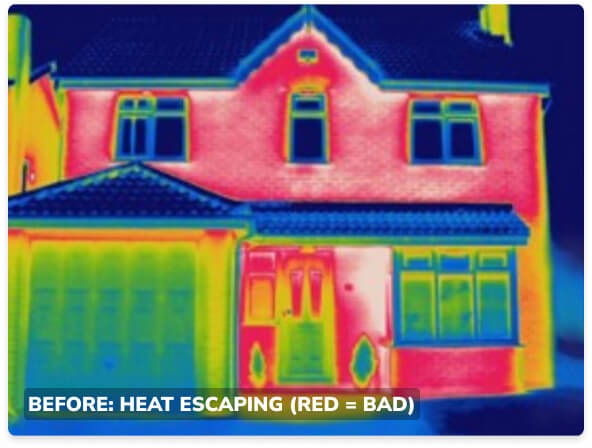
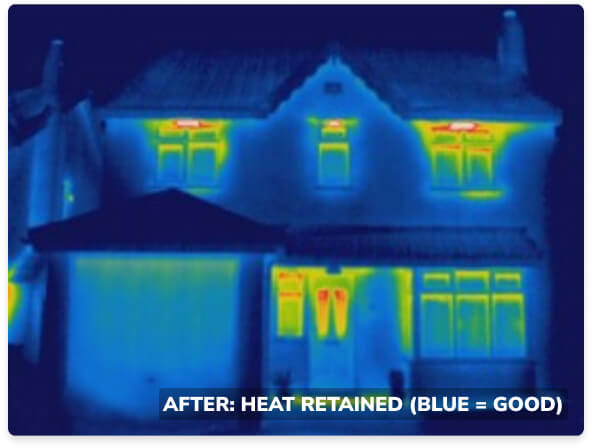
Why Castle Rock Homes Need Attic Insulation
Thermal bypasses around attic access points, top plates, and penetrations account for roughly 40% of actual heat loss in poorly sealed attics — and Castle Rock’s housing stock is full of them. Homes built across Douglas County from the 1990s through the mid-2010s commonly have unsealed wire and plumbing penetrations, poorly fitted attic hatches, and top plates that were never caulked or foamed during original construction. At 6,202 feet of elevation, Castle Rock sits squarely in IECC Climate Zone 5B, where the stack effect drives warm interior air upward through every gap in the thermal envelope. That conditioned air escapes into the attic, pulling cold exterior air in at lower levels and forcing your furnace to cycle harder all winter.
This is why attic insulation alone — without addressing the attic bypass pathways beneath it — fails to deliver the R-value performance printed on the product label. A Castle Rock home may have R-30 fiberglass batts in the attic floor, but if air sealing was never performed at the penetrations and top plates, effective thermal resistance drops dramatically. The insulation becomes a filter for moving air rather than a barrier to heat transfer. Proper air sealing combined with an upgrade to R-49 blown-in insulation transforms attic performance from a liability into the most cost-effective energy efficiency improvement available to homeowners along the Colorado Front Range.
Castle Rock’s climate creates year-round insulation demand. Winter heat loss drives high Xcel Energy bills, while summer solar loading on under-insulated attic floors pushes cooling costs up during July and August. Addressing thermal bypasses first, then insulating to current code, solves both problems in a single project scope.
Attic Insulation Options for Castle Rock Homes
- Air Sealing + Blown-In Cellulose — The most common existing attic retrofit for Castle Rock homes built from the 1980s through early.
- Blown-In Fiberglass (Loose-Fill) — Ideal for open attic floors where lightweight, non-settling material is preferred.
- Fiberglass Batts Replacement — Applied when existing batts have compressed, shifted.
- Closed-Cell Spray Foam at the Roofline — Used in finished attic spaces or cathedral-style assemblies where insulating at the roof deck is the.
- Insulation Removal + Full System Reset — Required for older Douglas County homes with contaminated, rodent-damaged.
Blown-In Attic Insulation — Most Common in Castle Rock
- R-2.2 to R-3.8 per inch (fiberglass or cellulose)
- Best for irregular Castle Rock attics with obstructions
- Most cost-effective path to R-49
- Covers existing insulation completely
- Xcel Energy rebate eligible with air sealing
- 1-day installation for most Castle Rock homes
Spray Foam Attic Insulation
- R-6.5 per inch (closed-cell) — highest available
- Creates a fully conditioned attic space
- Best when HVAC equipment is in the attic
- Eliminates ice dams permanently
- Higher upfront cost, stronger long-term return
- Recommended for homes with significant air leakage
Castle Rock Attic Insulation Services from Level Up
We’ve partnered with Wisetack to offer financing that customers actually love.
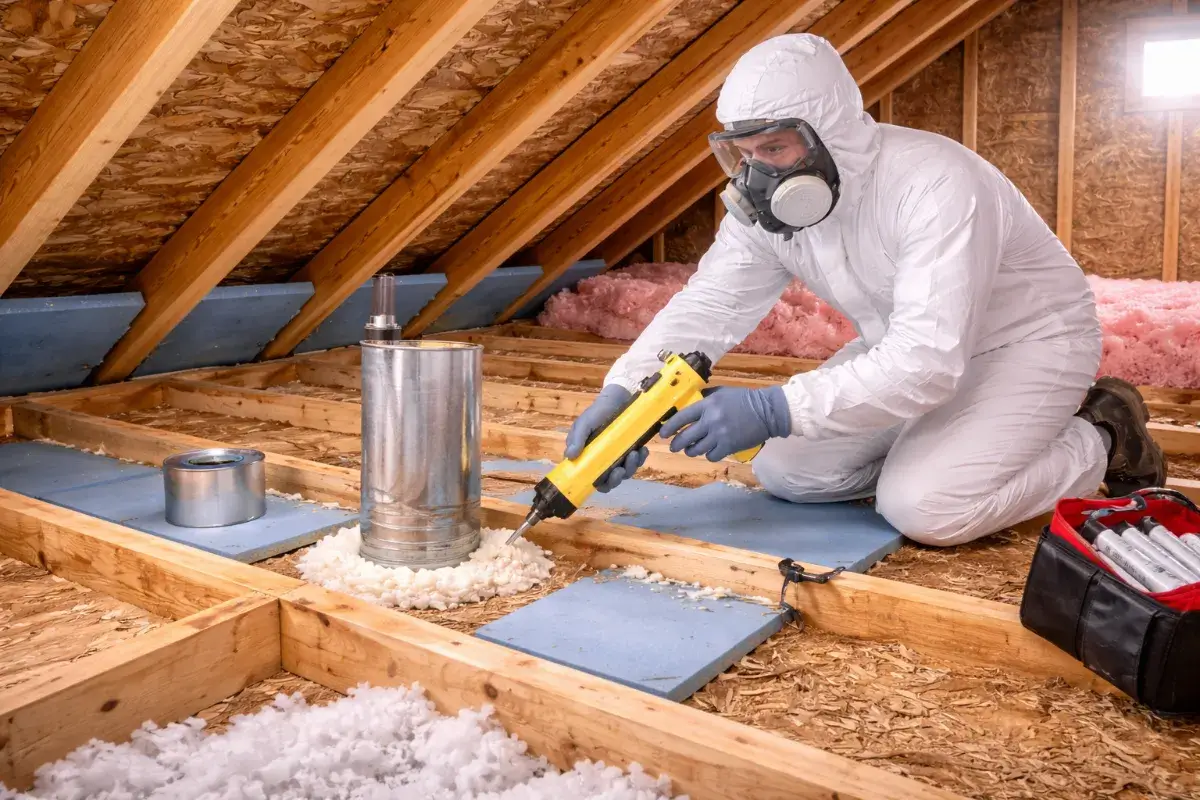
Attic Air Sealing Castle Rock — Always Included
Thermal bypasses around attic access points, top plates, and plumbing/electrical penetrations account for roughly 40% of actual heat loss in poorly sealed Castle Rock attics — even when insulation is technically present. At 6,202 feet elevation, Castle Rock sits squarely in IECC Climate Zone 5B, where the International Energy Conservation Code calls for a minimum attic insulation level of R-49.
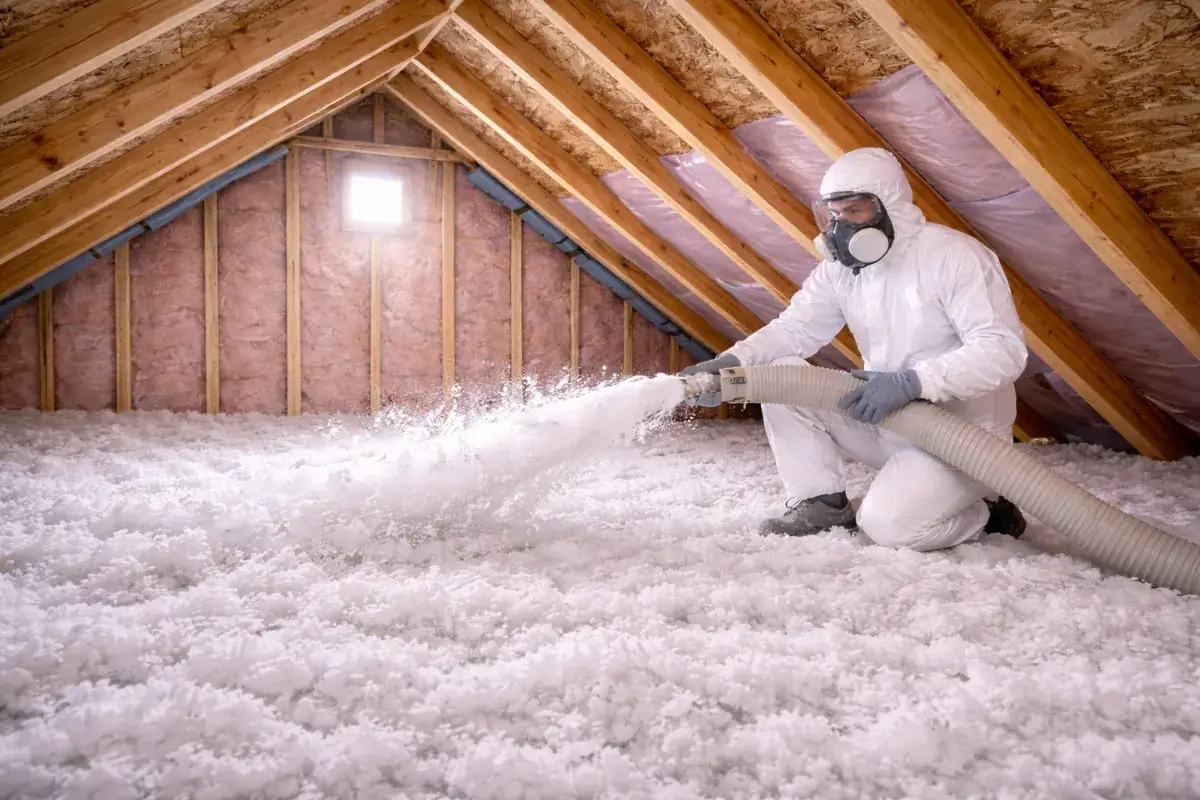
Attic Insulation Top-off Castle Rock
Level Up Insulation Co. begins every Castle Rock project with a detailed attic assessment — measuring existing thermal resistance, identifying attic bypass points around top plates, plumbing penetrations, and electrical runs, and documenting where your thermal envelope has failed.
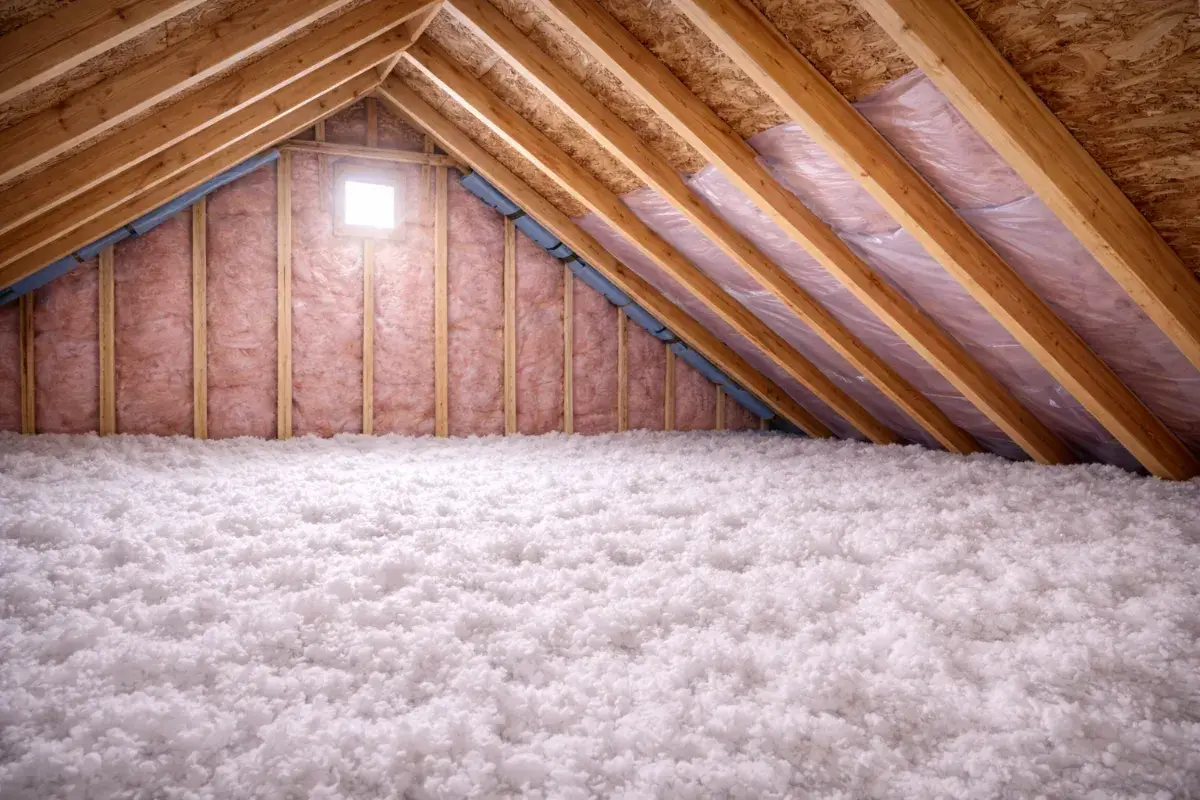
Full Castle Rock Attic Insulation Replacement
Castle Rock homeowners served by Xcel Energy can offset a significant portion of their attic insulation upgrade through the Xcel Energy rebate program, which currently offers up to $600 for qualifying attic insulation improvements. When you combine that rebate with annual heating cost reductions of 15–25% — realistic for homes jumping from R-19 or less to the IECC Zone 5 recommended R-49 — most Castle Rock projects pay for themselves within three to five years.
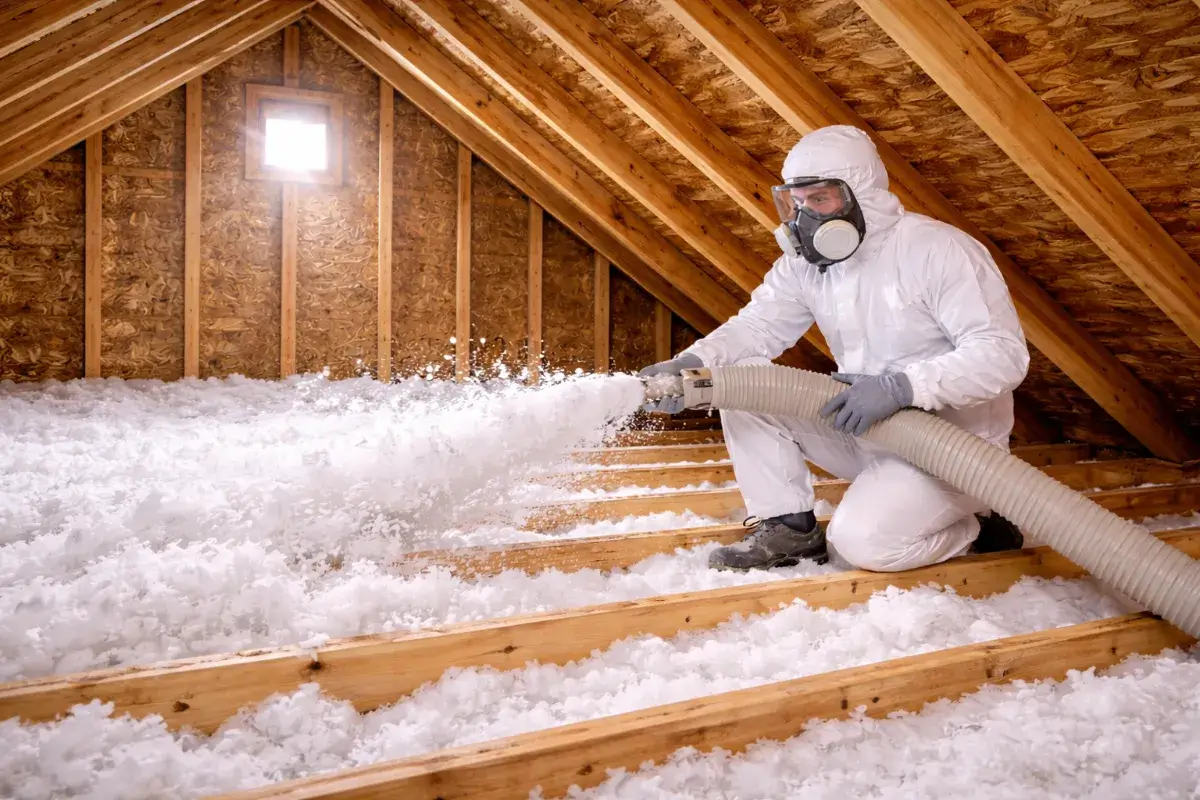
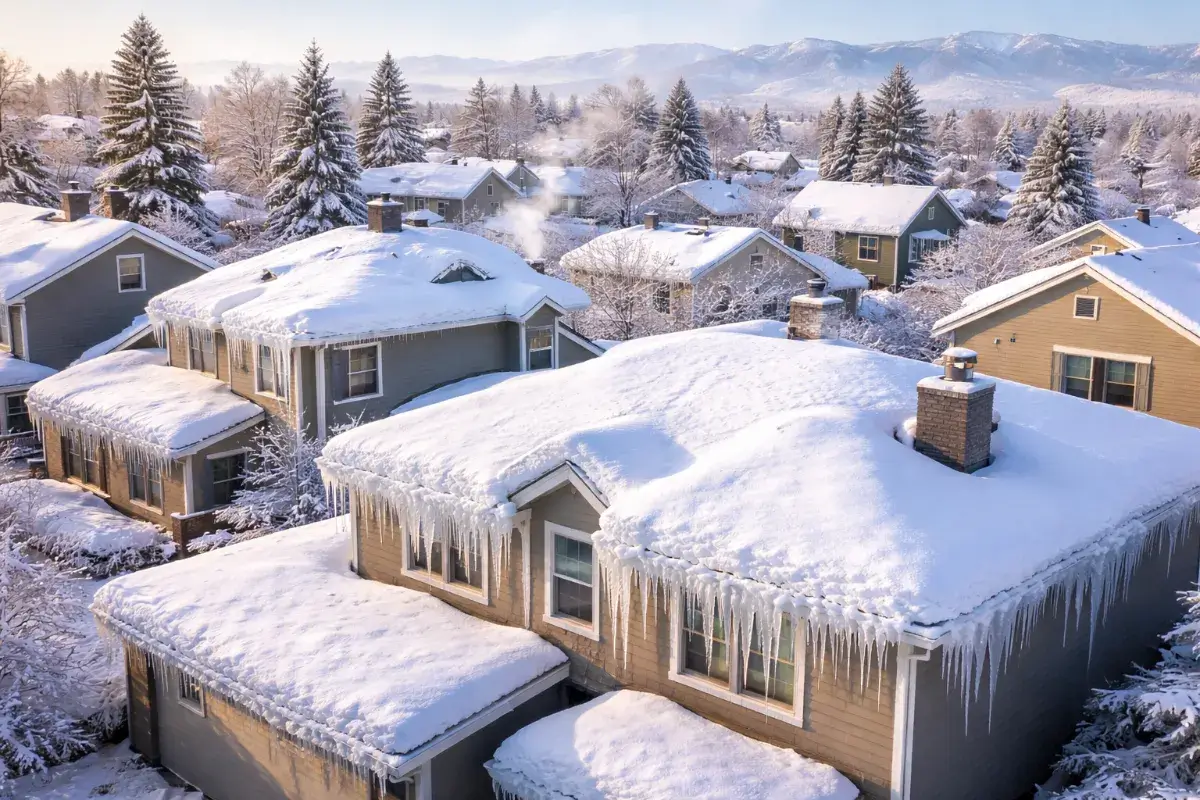
Ice Dam Prevention — Attic Insulation Castle Rock
Most Castle Rock Attic Insulation completed in one day
Attic Insulation Installation Process in Castle Rock
step 1
Free Attic Assessment
step 2
Xcel Energy Pre-Approval
step 3
Attic Preparation
step 4
Air Sealing
step 5
Depth Gauge Installation
step 6
Blown-In or Spray Foam Installation
step 7
Depth Verification & Photography
step 8
Rebate Submission
Attic Insulation Cost in Castle Rock
Trusted Products & Partners


Castle Rock's climate demands more from your insulation. Make sure it's up to the job.
Frequently Asked Questions
Common questions about our Attic Insulation
Castle Rock sits at 6,202 feet on the Colorado Front Range in IECC Climate Zone 5, which means your heating system works hard for roughly seven months each year. At this elevation, the temperature differential between your heated living space and a cold attic accelerates the stack effect—warm air rises and escapes through every gap in your thermal envelope. Thermal bypasses around attic access points, top plates, and penetrations account for roughly 40% of actual heat loss in poorly sealed attics. Proper attic insulation paired with air sealing is the single most effective way to stop that energy drain and keep your Castle Rock home comfortable year-round.
Attic insulation costs in Castle Rock typically range from $1.50 to $3.50 per square foot depending on the material—blown-in insulation and fiberglass batts fall on the lower end, while closed-cell spray foam sits higher. For a standard 1,500-square-foot attic brought up to the recommended R-49, most Douglas County homeowners invest between $2,500 and $5,500. The good news: Castle Rock is served by Xcel Energy, and the current Xcel Energy rebate program offers incentives for qualifying insulation upgrades, which can offset several hundred dollars of your project cost. Contact Level Up Insulation Co. for a precise quote that factors in available rebates.
Level Up Insulation Co. starts every Castle Rock project with a thorough attic inspection to measure existing R-value, identify attic bypass points, and assess moisture or pest damage. If your existing material is degraded or contaminated, we perform full insulation removal before any new work begins. Next, we complete targeted air sealing at top plates, electrical penetrations, and plumbing stacks—the step most contractors skip that eliminates up to 40% of heat loss. Finally, we install new insulation to meet or exceed the IECC Zone 5 standard of R-49. The typical Castle Rock attic takes one day from start to final inspection. Learn more about our full process here.
Several warning signs point to insufficient attic insulation. If you notice ice dams forming along your roofline in winter, that’s a clear indicator that heat is escaping through your attic due to low thermal resistance. Uneven room temperatures, drafts near ceiling fixtures, and energy bills that spike despite consistent thermostat settings all suggest your thermal envelope is compromised. Many Castle Rock homes built before 2010 have insulation at R-30 or below—well short of the current R-49 recommendation for Douglas County’s climate zone. If your insulation is thin, settled, or discolored, it’s time for an upgrade. Schedule a free attic assessment with Level Up Insulation Co. to find out exactly where you stand.
Still have questions?
Call, text, or schedule a free inspection.
Local Resources for Castle Rock Homeowners
Planning your Castle Rock attic insulation upgrade? These resources help with rebates, permits, and energy code requirements:
Utility Partner
Xcel Energy Attic Insulation Rebates — Castle Rock
State Program
Castle Rock Community Planning & Development
Local Government
ENERGY STAR Insulation Guide — Colorado Climate Zone
All Communities We Serve
Attic Insulation Near Castle Rock
GET A ESTIMATE