

Attic Insulation in Aurora, CO
R-49 Done Right, with Air Sealing First
- Powered by Wisetack
- No Hard Credit Check to Apply
- Decisions in Seconds
Servicing Denver, Boulder, Colorado Springs, Fort Collins & more.
1 Day
99.97%
4.9★
$1,250+
- BPI Certified
- Xcel Energy Partner
- Licensed & Insured
- 4.9 Stars · 150+ Reviews
- Locally Owned
- CO Lic #325117
- BPI Certified
- Xcel Energy Partner
- Licensed & Insured
- 4.9 Stars · 150+ Reviews
- Locally Owned
- CO Lic #325117
Attic Insulation in Aurora, CO | Level Up Insulation
R-49 Done Right, with Air Sealing First
The attic is the most important insulation zone in any Aurora home. Heat rises — and without adequate insulation and air sealing at the attic floor, your heated air goes straight up through the ceiling and out. For Aurora homeowners, this problem is compounded by two factors: most homes were built to insulation standards that are now dramatically below Colorado’s current recommendations, and altitude (5,471 ft) makes heating loads more demanding than cities at lower elevation.
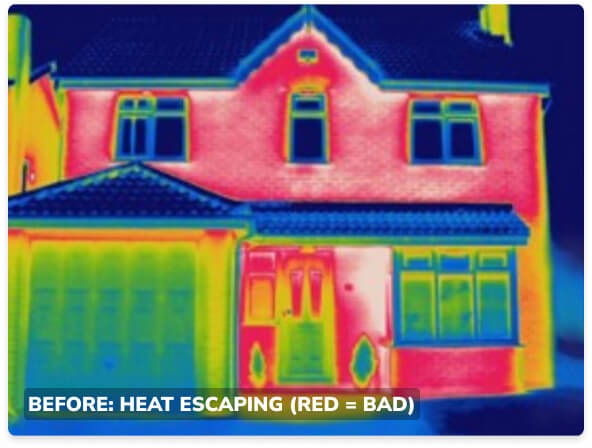
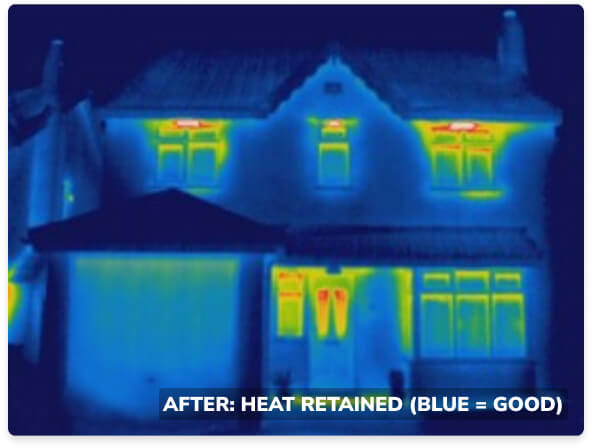
Why Air Sealing Comes Before Insulation — Always
Level Up Insulation performs comprehensive attic air sealing before any new insulation is installed — every time, as a standard step, not an optional add-on. Aurora homes from the 1970s–90s typically have significant bypass pathways through wall top plates, bathroom exhaust fans, and recessed lighting that contribute more to energy loss than the insulation depth itself. Seal first, then insulate. The energy savings from this sequence are dramatically better than insulation alone.

How Much Attic Insulation Do Aurora Homes Need?
Aurora sits in IECC Climate Zone 5. Both Energy Star and Colorado building code recommend R-49 minimum for attic floors, with R-60 providing even better performance in Aurora’s demanding climate. Here’s how to estimate what you currently have:
- Blown-in fiberglass: approximately R-2.2 per inch — 6 inches = R-13, 10 inches = R-22
- Blown-in cellulose: approximately R-3.2 per inch — 6 inches = R-19, 15 inches = R-49
- Fiberglass batts between joists: approximately R-3.1 per inch — standard 2x6 cavity = R-19
Best Attic Insulation Types for Aurora Homes
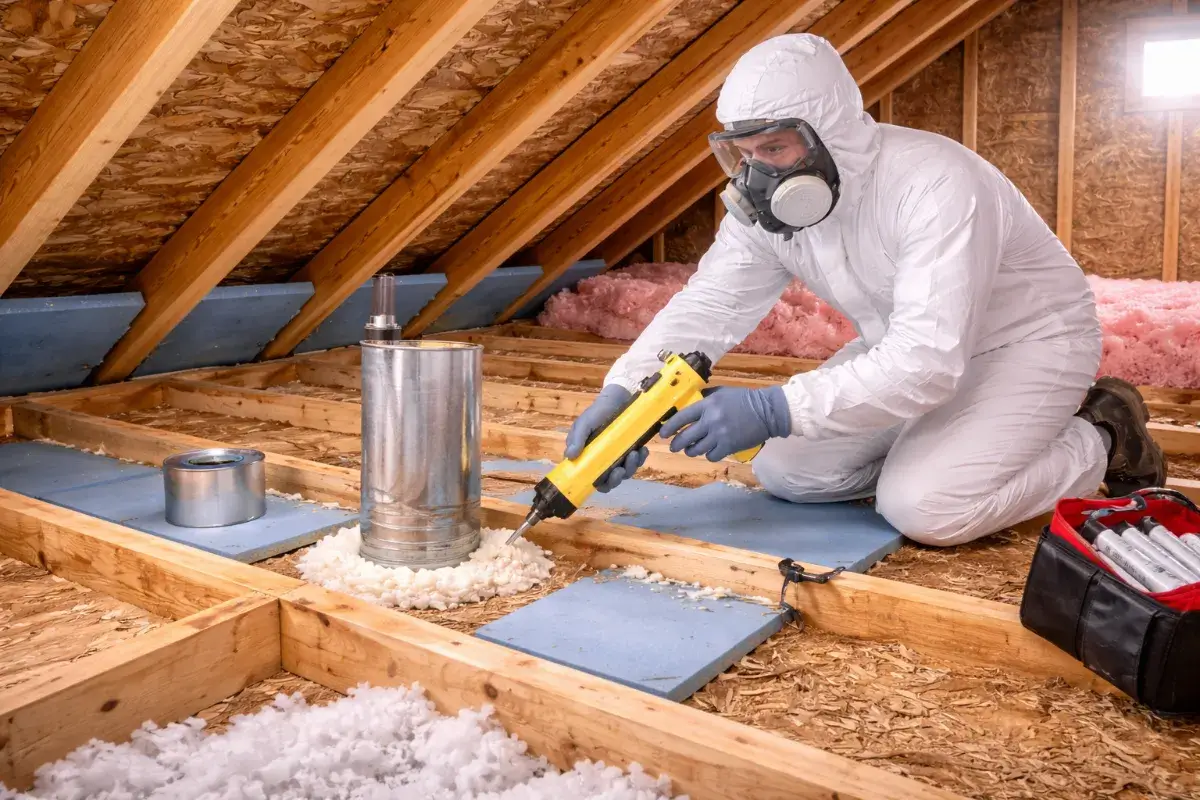
Blown-In Cellulose: Best Overall Value for Aurora Attic Floors
Blown-in cellulose is the recommended material for most Aurora attic floor upgrades. At R-3.2 per inch, it reaches R-49 in about 15 inches of depth. It resists air movement better than fiberglass, is made from recycled material, and installs efficiently over existing material in homes that don’t require removal. Cost for most Aurora homes: $1,200–$2,800 for a complete air seal + blown-in to R-49 project. For the full comparison of attic insulation materials, see our best insulation for attics guide.
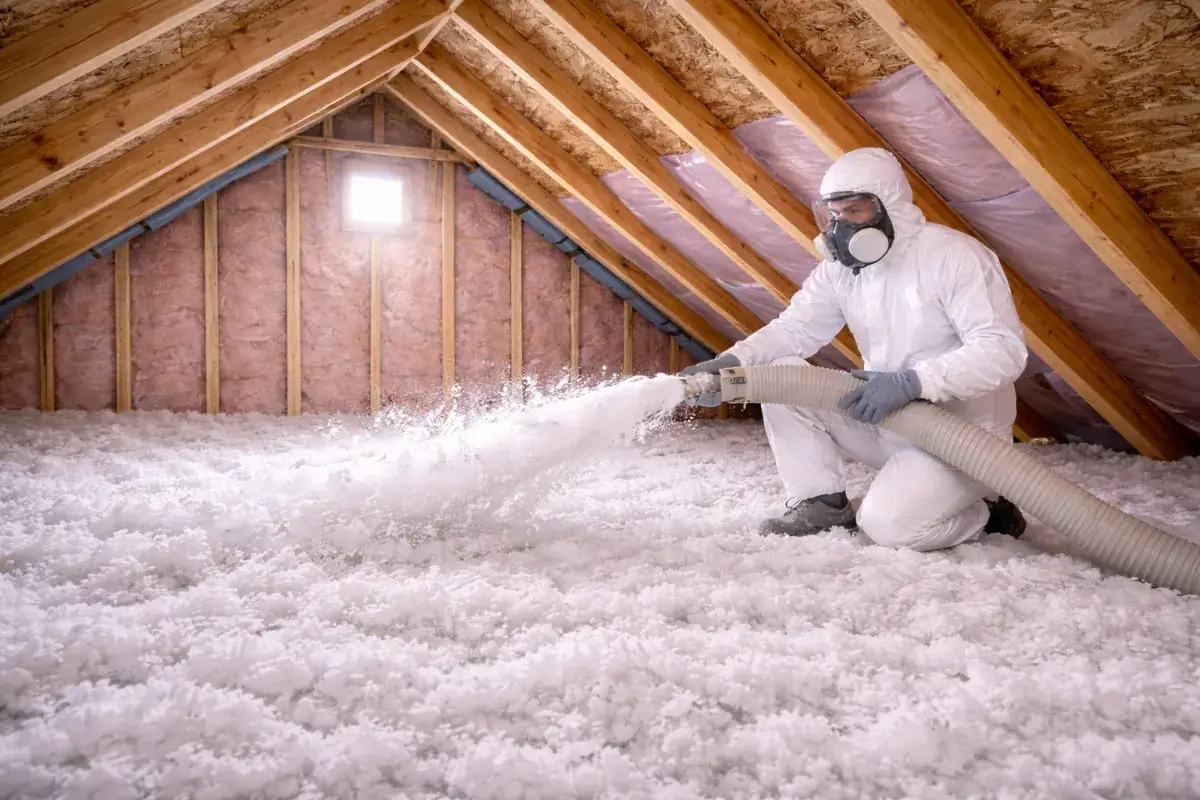
Blown-In Fiberglass: Reliable, Moisture-Tolerant

Spray Foam for Roof Deck (Conditioned Attic)
For Aurora homes with HVAC equipment in the attic — common in Murphy Creek, Saddle Rock, and Tallyn’s Reach — spray foam on the underside of the roof deck is the highest-performance option, converting the attic to conditioned space and dramatically reducing duct losses. See our spray foam insulation cost guide for current pricing.
Most Aurora Attic Insulation completed in one day
Aurora Attic Insulation by Neighborhood
Heather Ridge and Heather Gardens (80014) — 1970s–1990s Construction
Village East, Hoffman Heights, Aurora Hills (80011, 80012) — 1960s–1980s
Saddle Rock, Eagle Bend, Murphy Creek (80016, 80018) — 1995–2015
Tallyn's Reach, Seven Hills, Heritage Eagle Bend (80016) — 2005–2020
Attic Insulation Cost in Aurora, CO
| Project | Typical Aurora Cost | What's Included |
|---|---|---|
| Air sealing only | $500 – $1,200 | All bypasses sealed, hatch insulated |
| Blown-in to R-49 (top-off, no removal) | $1,200 – $2,800 | Air seal + cellulose or fiberglass to R-49 |
| Full removal + blown-in to R-49 | $2,200 – $4,500 | Removal, sanitization, air seal, re-insulation |
| Spray foam roof deck (conditioned attic) | $3,500 – $9,000+ | Closed or open cell on roof deck |
Most Aurora attic projects qualify for Xcel Energy rebates when combined with air sealing. The federal IRA 30% tax credit also applies. See our complete Colorado insulation rebates guide for current program details.
Trusted Products & Partners


Aurora's climate demands more from your insulation. Make sure it's up to the job.
Frequently Asked Questions
Common questions about our Attic Insulation
R-49 is the minimum recommended for Aurora (IECC Zone 5). R-60 provides even better performance given Aurora’s elevation and climate. If you’re below R-30, upgrading to R-49 typically delivers the best energy ROI of any single home improvement available.
Most Aurora attic insulation projects — air sealing plus blown-in — are completed in a single day. Homes requiring insulation removal first may take one to two days depending on scope.
Not necessarily. If existing insulation is dry, uncontaminated, and structurally intact, adding blown-in on top is standard practice. Removal is needed when existing material is wet, moldy, or rodent-contaminated. Level Up assesses existing conditions honestly before recommending removal. See our insulation replacement guide for the full decision framework.
Yes — attic insulation combined with thorough air sealing is the building science-backed permanent solution to ice dams. Ice dams form when warm attic air melts roof snow unevenly. A properly sealed and insulated attic stays at near-outdoor temperature, eliminating the thermal differential that causes ice dams. Heat cables and ice melt products treat the symptom; proper attic insulation treats the cause.
Still have questions?
Call, text, or schedule a free inspection.
All Communities We Serve
Attic Insulation Near Denver
GET A ESTIMATE